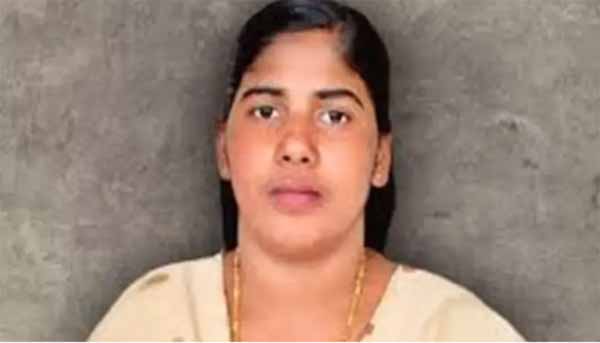
SANAA (Yemen), July 15: In a dramatic turn of events, Yemen has postponed the
execution of Nimisha Priya, a 36-year-old nurse from Kerala, India, who was
convicted of murdering her Yemeni business partner, Talal Abdo Mahdi, in 2017.
Originally scheduled for July 16, the execution was deferred following intense
diplomatic efforts and community-level negotiations. The Indian Government,
which has been actively involved in the case, confirmed that it had reached
out to influential sheikhs and local prosecutors to seek a temporary suspension.
Priya, currently imprisoned in Sanaa Central Jail, has been on death row since
2020. Her final appeal was dismissed in 2023, and the execution was approved
by Yemen’s Supreme Political Council earlier this year.
The postponement comes amid ongoing talks between Priya’s family and Mahdi’s
relatives, with hopes of reaching a blood money settlement—a provision under
Yemen’s Sharia law that allows the victim’s family to pardon the accused in
exchange for financial compensation.
The NGO, Save Nimisha Priya – International Action Council is spearheading
these negotiations, reportedly offered USD 1 million to Mahdi’s family.
Prominent religious leaders, including Kanthapuram AP Aboobacker Musliyar,
India’s Grand Mufti, have also intervened, facilitating discussions with Yemeni
scholars and Mahdi’s family in Dhamar.
The postponement offers a glimmer of hope for Priya and her family and supporters,
though the situation remains delicate and far from resolved.
The Backstory: NEW DELHI: The Central Government told the Supreme Court
on Monday that it was making “all possible efforts" to save Nimisha Priya, a
nurse from Kerala sentenced to death in Yemen on murder charge. She is scheduled
to be executed on July 16.
“Nothing much can be done," Attorney-General R Venkataramani told the apex
court during a hearing on a plea seeking direction to the Centre to use diplomatic
channels to save her.
“All possible efforts are being made, but nothing much can be done. Not much
can be done as far as Yemen is concerned," he said.
Nimisha Priya (38), a nurse hailing from Kollengode in Palakkad district of
Kerala State, moved to Yemen in 2008 to support her family and started working
as a nurse in a private hospital. In 2011 her husband and daughter joined her
but returned to India in 2014 due to the outbreak of civil war.
She opened a clinic in 2015 with Yemeni national Talal Abdo Mahdi as a mandatory
local partner under Yemeni law.
The crime and conviction: In July 2017, Priya allegedly attempted to
sedate Mahdi to retrieve her seized passport. The sedative overdose led to his
death. With help from another nurse, Mahdi’s body was dismembered and hidden
in a water tank. Priya was apprehended while trying to flee Yemen. The trial
was conducted entirely in Arabic, reportedly without translation or legal counsel
for Priya. Death penalty was handed down in 2020 and it was upheld by Yemen’s
Supreme Judicial Council in 2023.
Allegations of abuse: Priya’s family and supporters claim Mahdi physically
and sexually assaulted her and seized her passport and misappropriated clinic
funds. He allegedly forged documents to show they were married. She was reportedly
forced to sign several confessional statements in Arabic, which led to her conviction.
Diplomatic efforts: The Indian Government has reached its diplomatic
limits due to Yemen’s lack of formal recognition and the region being under
Houthi control, it was stated.
Blood money negotiations: As per Sharia Law, the victim’s family can
pardon the accused in exchange for diya (blood money). Priya’s family and supporters
made an offer of $1 million (Rs 8.5 cr). The victim’s family reportedly rejected
the offer, citing “honour.”
Her mother Prema Kumari is currently in Yemen trying to negotiate the pardon.
Her daughter, 12-year-old Michele, lives in a convent in Kerala. Her father
is an auto driver.
A support group called Save Nimisha Priya International Action Council is coordinating
legal and fundraising efforts.
Final window of hope: The only remaining option is a last-minute pardon
from the victim’s family.
The Supreme Court of India has urged the Centre to explore informal channels.





 )
)