NEW DELHI, Jun 20: The Ministry of Health and Family Welfare has prohibited
16 Fixed-Dose Combination (FDC) drugs with immediate effect.
The ban followed expert panels finding that they lack therapeutic justification
and pose potential safety risks to patients.
The banned combinations span multiple categories, including antibiotics, antispasmodics,
dermatological creams, and painkillers
Antibiotic & Enzyme Combinations: Amoxicillin + SerratiopeptidaseAmoxicillin
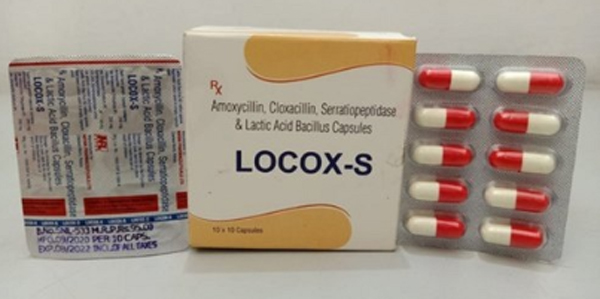
+ Serratiopeptidase + Lactobacillus SporogenesAmoxicillin + Cloxacillin + Lactic
Acid Bacillus + SerratiopeptidaseCefuroxime + SerratiopeptidaseCefadroxyl +
Probenecid
Painkillers & Muscle Relaxants: Paracetamol + LignocaineAcetyl Salicylic
Acid + Ethoheptazine
Antispasmodic Combinations: Dicyclomine + Paracetamol + Clidinium BromideDicyclomine
+ Paracetamol + Clidinium Bromide + Chlordiazepoxide
Topical, Herbal & Dermatological Preparations: Aloe Extract + Allantoin
+ Alpha Tocopherol Acetate + D-Panthenol + Vitamin AAloe Extract + Vitamin E
+ Dimethicone + GlycerineAloe Vera + Jojoba Oil + Vitamin EAloe Vera + Orange
OilAloe Vera + Jojoba Oil + Wheat Germ Oil + Tea Tree OilAloe Vera + Vitamin
E + Herbal Preparation
Metabolic & Diabetic Medications: Gliclazide + Chromium Picolinate
Alternatives to the banned medications
Safer, clinically approved single-agent alternatives exist for all 16 banned
Fixed-Dose Combination (FDC) drugs. The health ministry banned these combinations
because bundling multiple active drugs into one pill was clinically unnecessary,
lacked scientific justification, and raised safety concerns.
Replacing these complex, banned mixtures with simple, isolated single-molecule
alternatives or standard approved treatments ensures safer health outcomes.
1. Antibiotic & Enzyme Combinations:
Banned Mixes: Amoxicillin / Cefuroxime / Cefadroxil combined with Serratiopeptidase
or Probenecid.
The Reason: Expert panels noted no therapeutic benefit or clinical evidence
to support adding anti-inflammatory enzymes (like Serratiopeptidase) directly
into antibiotic formulations. Safe
Alternatives: Take the single-ingredient antibiotic alone (e.g., standard
Amoxicillin, Cefuroxime, or Cefadroxil) to clear the bacterial infection. For
tissue swelling, doctors can prescribe a separate, independent anti-inflammatory
enzyme like Trypsin-Chymotrypsin or Bromelain if necessary.
2. Antispasmodics & Gastrointestinal Drugs
Banned Mixes: Dicyclomine + Paracetamol + Clidinium Bromide (+ Chlordiazepoxide).
The Reason: Combining a smooth-muscle relaxant, a painkiller, a stomach-acid
reducer, and an anti-anxiety sedative into a single routine tablet creates high
toxicity risks.
Safe Alternatives: For simple stomach cramps, standard single-agent
Dicyclomine or Drotaverine is preferred. For irritable bowel symptoms combined
with mild anxiety, doctors typically separate treatments, utilizing standalone
Chlordiazepoxide safely monitored over a restricted timeframe.
3. Painkillers & Muscle Relaxants:
Banned Mixes: Paracetamol + Lignocaine and Acetyl Salicylic Acid (Aspirin)
+ Ethoheptazine.
The Reason: Compounding numbing local anesthetics or unsafe muscle relaxants
with daily over-the-counter painkillers increases the risk of cardiovascular
stress and liver complications.
Safe Alternatives: For regular fever and mild pain, stick to isolated
Paracetamol (650mg). For localized, severe body pain or muscle spasms, separate
therapies like single-ingredient Aceclofenac or an explicit oral muscle relaxant
like Thiocolchicoside provide targeted relief.
4. Diabetes / Metabolic Medications
Banned Mixes: Gliclazide + Chromium Picolinate.
The Reason: National and international clinical diabetes guidelines
do not support combining blood-sugar controllers with heavy nutritional trace
minerals like chromium in one tablet. Safe
Alternatives: Manage Type-2 diabetes using standard, globally backed
single molecules like Gliclazide alone, or standard dual therapies involving
Metformin.
5. Topical, Herbal & Dermatological Creams
Banned Mixes: Ointments mixing Aloe Vera / Vitamin E / Jojoba Oil with
multiple chemical elements (like Dimethicone, Allantoin, or Tea Tree Oil).
The Reason: Shuffling random herbal derivatives and chemical moisturizers
into medical skin creams causes severe chemical stability breakdown, rendering
them ineffective or triggering skin allergies.
Safe Alternatives: Use pure, single-action moisturizers like standard
Liquid Paraffin and White Soft Paraffin creams, or apply cosmetic-grade pure
Aloe Vera gel completely separate from prescription skin treatments.






 )
)